
Understanding Hamstring Strains in Athletes: Causes, Symptoms, and Treatment
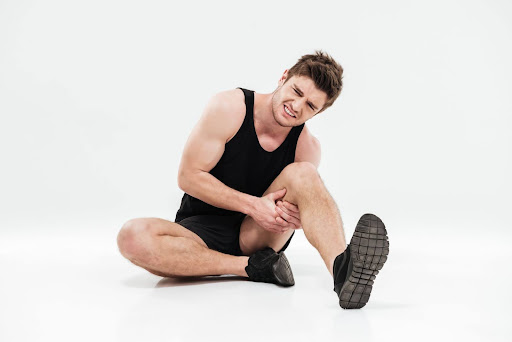
Are you experiencing sudden pain or tightness in the back of your thigh?
Did you feel a sharp pull while sprinting, jumping, or kicking? Hamstring strains are one of the most common injuries in athletes, especially those involved in sports like soccer, football, track, and basketball. Ignoring early symptoms can turn a mild strain into a lingering injury that keeps you sidelined longer than necessary.
What Is a Hamstring Strain?
A hamstring strain occurs when one or more of the muscles along the back of your thigh are stretched too far or torn. These muscles help you bend your knee and extend your hip, which are key movements in running and jumping. Strains can range from mild discomfort to severe pain that makes walking or playing impossible.
What Causes Hamstring Strains?
Hamstring strains often happen during activities that involve sudden acceleration or high-speed movements. Common causes include:
- Sprinting or explosive movements
- Poor flexibility or muscle tightness
- Muscle weakness or imbalance between the hamstrings and quadriceps
- Fatigue or inadequate warm-up
- Previous hamstring injuries
Athletes are especially at risk when returning to sport too quickly after an injury or pushing through tightness and fatigue.
How Can You Manage a Hamstring Strain?
For mild strains, early care can make a big difference:
- Rest: Avoid activities that increase pain
- Ice: Apply ice for 15–20 minutes, 2–3 times per day
- Compression: Use a compression wrap to reduce swelling
- Gentle Stretching: Only if pain allows—never force it
- Listen to Your Body: If pain persists, worsens, or limits movement, it’s time to seek professional care
Trying to “play through” a hamstring injury often leads to re-injury or prolonged recovery.
How ProTailored Physical Therapy Can Help
At ProTailored Physical Therapy, treatment focuses on helping athletes recover fully and safely—so they can return to sport stronger than before.
Dry Needling
Targets tight or injured muscle tissue to reduce pain, improve mobility, and promote healing.
Manual Therapy Techniques
Hands-on techniques such as soft tissue mobilization and stretching help restore muscle flexibility and reduce stiffness.
Personalized Exercise Programs
Each athlete receives a customized strengthening and mobility program designed to restore muscle balance, improve performance, and reduce re-injury risk.
Exercises for Hamstring Strains
Always perform exercises pain-free. Stop if symptoms increase.
1. Hamstring Stretch (Supine)
- Lie on your back and raise one leg
- Gently pull the leg toward you while keeping it straight
- Hold for 20–30 seconds, repeat 3 times
2. Glute Bridge
- Lie on your back with knees bent
- Tighten your glutes and lift hips upward
- Hold for 3–5 seconds, repeat 10–12 times
3. Standing Hamstring Curl
- Stand holding onto a chair
- Bend your knee and bring your heel toward your glutes
- Perform 2–3 sets of 10 reps
Progress exercises only with professional guidance to avoid re-injury.
Call to Action: How ProTailored Can Help You Today
If you’re experiencing symptoms of a hamstring strain, ProTailored Physical Therapy can help you recover safely and get back to peak performance. Call us at (260) 739-0300 to schedule your consultation and take the first step toward relief.
References
- American Academy of Orthopaedic Surgeons. Hamstring Muscle Injuries.
- Mayo Clinic. Hamstring Injury: Symptoms and Causes.