
Stretching and Breathing for Stressful Situations
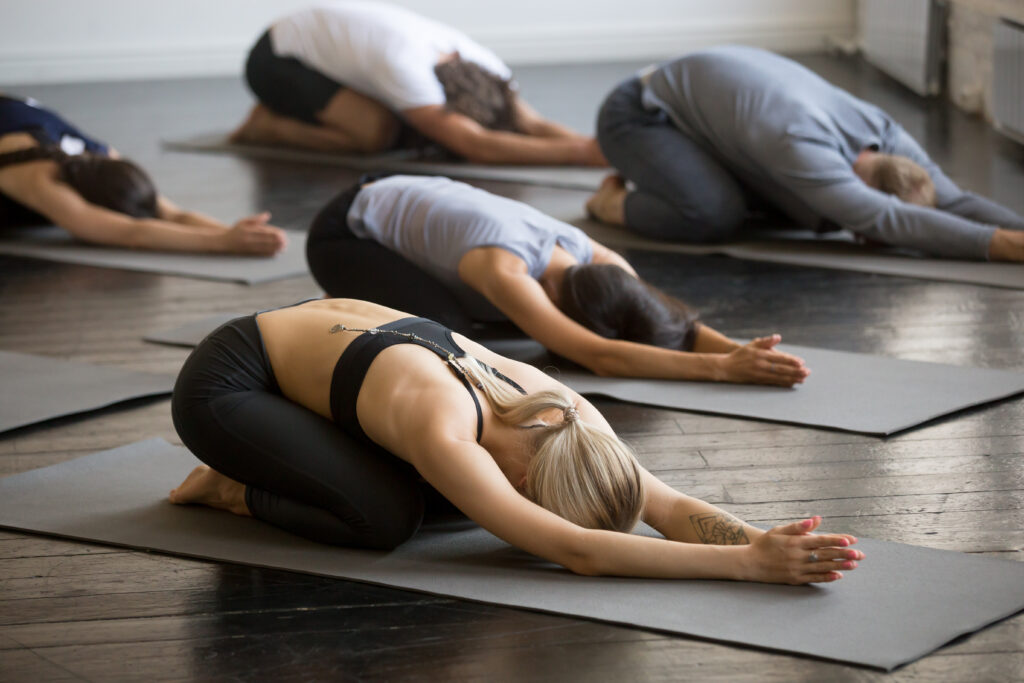
Stressful situations such as preparing for a major event, navigating work deadlines, or managing tense family dynamics often lead to increased muscle tension. Prolonged sitting, screen time, and repetitive postures can amplify this tension, resulting in clenched hands, elevated shoulders, and general physical discomfort.
One of the simplest and most effective ways to calm the nervous system is through slow, intentional breathing. When safe to do so, take a slow breath in through the nose and a longer breath out through the mouth. A helpful technique is inhaling for a count of four and exhaling for a count of seven or eight. This breathing pattern can reduce sympathetic nervous system activity, slow heart rate, and decrease the fight-or-flight response.
Once breathing has slowed, gentle stretching can further reduce muscle tension. While seated comfortably, allow your ear to fall toward your shoulder to stretch the side of your neck. Hold for 30 seconds and repeat on each side two to three times. Slow arching and rounding of the back can help release tension in the spine. Stretching the forearms and wrists by gently pulling the fingers back while the arm is extended can also help alleviate tension from prolonged gripping or typing.
These movements should remain gentle and pain-free. Combined with controlled breathing, they can help reset muscle tone and promote relaxation. If you find yourself frequently tight or in pain, an individualized assessment may help identify underlying strength or mobility deficits that can be addressed through targeted exercise.