
Understanding SI Joint Dysfunction: Causes, Symptoms, and How to Fix It

Are you experiencing pain in your lower back or hips that just won’t go away? It might be more than just muscle soreness—it could be your SI joint.
What is SI Joint Dysfunction?
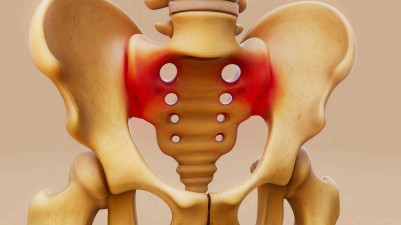
The sacroiliac (SI) joints are two small joints located where your lower spine meets your pelvis. These joints help transfer weight from your upper body to your legs and provide stability when you move.
SI joint dysfunction happens when these joints move too much or too little. This can cause pain in your lower back, hips, or even down your legs. The pain may feel sharp, dull, or like a deep ache.
What Causes SI Joint Dysfunction?
There are several common causes, including:
- Poor posture – Sitting or standing incorrectly for long periods
- Injury or trauma – Falls, car accidents, or sports injuries
- Pregnancy – Hormone changes can loosen ligaments
- Muscle imbalances – Weak or tight muscles around the hips and core
- Repetitive movements – Activities that stress one side of the body
Sometimes, the exact cause isn’t clear, but the result is the same—pain and limited movement.
How Can You Manage SI Joint Dysfunction?
There are simple ways to manage symptoms at home:
- Apply ice or heat – Ice helps reduce swelling; heat relaxes muscles
- Improve posture – Sit and stand with your spine in a neutral position
- Stay active – Gentle movement can prevent stiffness
- Avoid uneven weight bearing – Try not to stand more on one leg
- Use supportive shoes – Good footwear helps keep your body aligned
If your pain lasts more than a few days or gets worse, it’s time to seek professional help.
How ProTailored Physical Therapy Can Help
At ProTailored Physical Therapy, treatment is focused on finding the root cause of your pain and fixing it—not just masking symptoms.
Dry Needling
This technique uses thin needles to release tight muscles and reduce pain around the SI joint.
Manual Therapy Techniques
Hands-on treatments help improve joint movement, reduce stiffness, and restore proper alignment.
Personalized Exercise Programs
You’ll get a custom plan designed to strengthen weak muscles, improve flexibility, and support long-term recovery.
Exercises for SI Joint Dysfunction
Here are a few simple exercises you can try at home:
1. Knee-to-Chest Stretch
- Lie on your back
- Pull one knee toward your chest
- Hold for 20–30 seconds
- Switch legs
Tip: Keep your lower back relaxed
2. Bridge Exercise
- Lie on your back with knees bent
- Lift your hips off the ground
- Hold for 5 seconds, then lower
- Repeat 10 times
Tip: Squeeze your glutes at the top
3. Pelvic Tilt
- Lie on your back with knees bent
- Tighten your stomach and flatten your back against the floor
- Hold for 5 seconds
- Repeat 10–15 times
Tip: Move slowly and with control
Precautions: Stop any exercise that causes sharp pain. These should feel gentle and controlled—not painful.
Call to Action: How ProTailored Can Help You Today
If you’re experiencing symptoms of SI joint dysfunction, ProTailored Physical Therapy can help! Call us at (260) 900-2437 to schedule your consultation and take the first step toward relief.
References
- American Physical Therapy Association (APTA) – Low Back Pain & SI Joint Resources
- Mayo Clinic – Sacroiliac Joint Dysfunction Overview