
The Nutrition of Energy Drinks and Healthier Alternatives
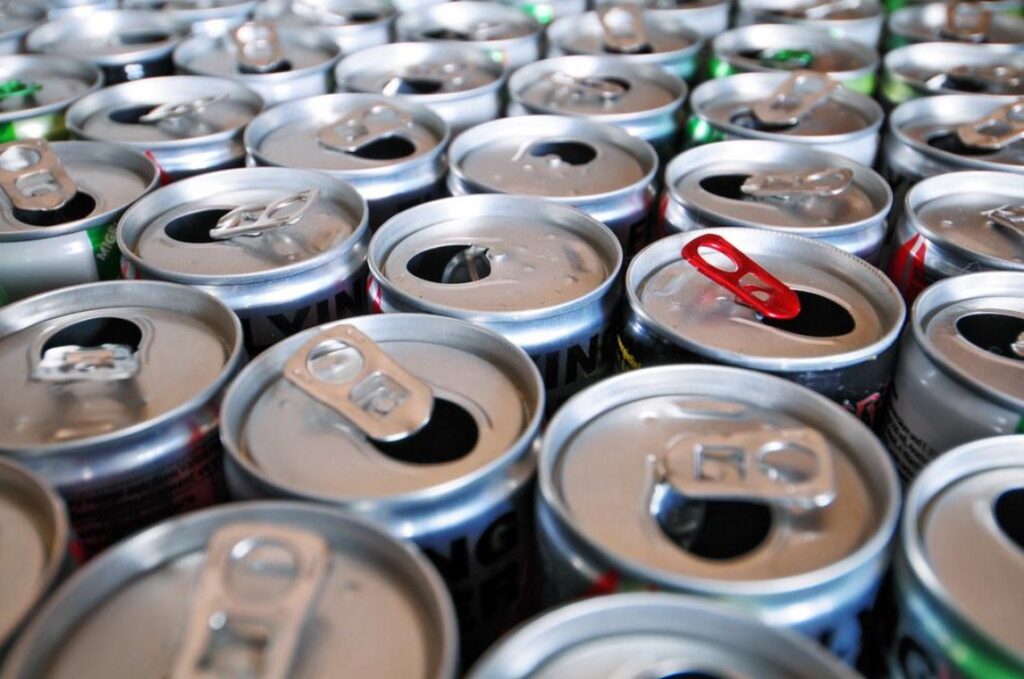

We’ve all experienced those mornings where getting out of bed and putting our feet on the floor feels impossible, and once we do get our feet on the floor, we wonder how we’re going to find the energy to make it through the day because we’re so tired. Many people in this scenario will turn to what feels like a reliable source- energy drinks. Energy drinks, while certainly possessing the ability to give people the exact boost of energy they need, come with their fair share of negative side effects if they are not consumed responsibly.
Energy Drink Ingredients
The main ingredient that people seek in an energy drink is the high caffeine content. Health experts state that the daily recommended limit for caffeine intake per day is around 400 milligrams (mgs) in healthy adults. If you are going to consume an energy drink, it is important to read the labels and find out how many mgs of caffeine are in the drink. Some popular brands of energy drinks contain the recommended daily limit of caffeine in one can. Many others fall somewhere between 300 and 400 mgs. Of course, there are other brands with much less caffeine, such as Red Bull, whose 8 oz cans contain 80 mgs of caffeine.
Too much caffeine can lead to a wide array of side effects such as:
- Increased blood pressure
- Increased heart rate
- Headaches
- Anxiety
- Insomnia
- Addiction
Another common ingredient in energy drinks is sugar. Many energy drinks contain roughly 40 grams of sugar. As with caffeine, too much sugar can lead to negative health effects, a few of which include:
- Weight gain
- Cardiac diseases
- Type 2 diabetes
Other common ingredients in energy drinks contribute to its energy boosting effects, although just as we’ve seen with the previously mentioned ingredients, they can lead to negative health effects. While energy drink companies will claim that these ingredients have positive health benefits, research backing these claims is minimal. These other ingredients include:
- Taurine
- Carnitine
- Guarana
- Green coffee extract
- Ginseng
Healthy Energy Boosting Alternatives
While many energy drink ingredient are not inherently bad, we can see how too much of them can be detrimental, as well as how easy it is to consume too much. If you are asking yourself, “How can I avoid relying on energy drinks to get through my day?” here are a few options:
- Coffee: Coffee uses caffeine as a way to boost energy, but in much safer amounts. Coffee also does not include the vast amounts of sugar and additives found in energy drinks. Beyond this, research states that drinking black coffee offers numerous health benefits that can prevent a variety of diseases
- Sleep: Ensuring that you are getting a healthy amount of sleep is an easy way to make sure you have enough energy to get through the day. Healthy adults are recommended 6 to 8 hours of sleep per night. Research states that getting too much sleep can lead to tiredness the next day as well.
- Healthy diet: Be sure to include foods in your diet that are known to boost energy such as whole grains, fruits, vegetables, and nuts.
- Exercise: Regular exercise can boost energy levels in a couple of ways. First it improves dopamine levels which will elevate mood. Exercise is also an easy way to ensure you will sleep more soundly throughout the night.