
The Importance of Blood Flow

If you or someone you know has ever had physical or occupational therapy, you’ve probably heard of or had scraping and cupping done to you, and upon your first time seeing it, you may have asked what it does. When asking what it does, part of your therapist’s answer will include, “It increases blood flow.” Great, you have your answer! But, why is blood flow important? Why should blood flow concern you and how does it affect your rehab? Let’s discuss why healthy blood flow is so important, how it plays into your rehab, and what you can do to positively change your blood flow!
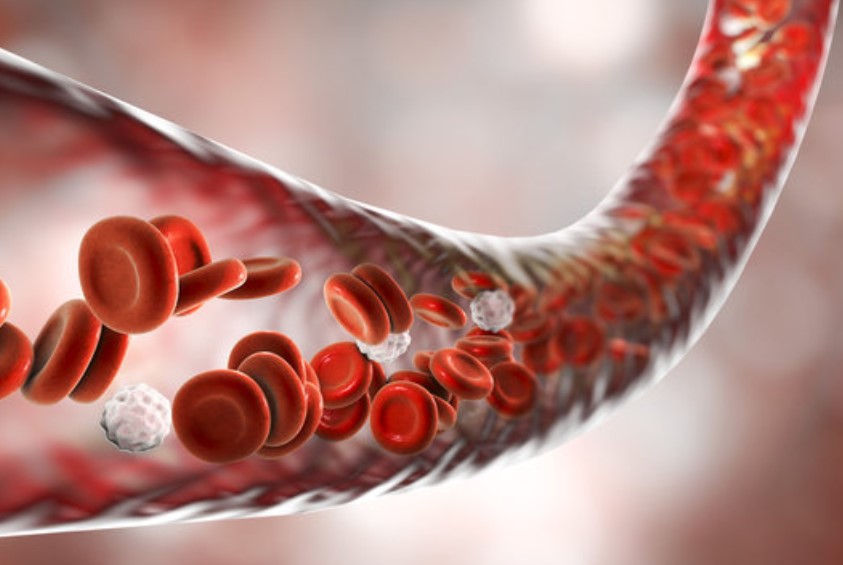
To fully understand blood flow, let’s break down the circulatory system and how it works. The powerhouse of the circulatory system is your heart, which receives and sends blood throughout the body. When sending blood to other body parts, that blood is filled with oxygen, and when it receives blood, it has no oxygen, or deoxygenated blood. Blood travels through blood vessels, with arteries carrying oxygen rich blood away from the heart and to other body parts, while veins bring deoxygenated blood to the heart. Here is the order of blood flow in the body:
- Deoxygenated blood begins in the right side of the heart
- That blood is pumped to the lungs to receive oxygen
- From the lungs, it moves into the left side of the heart
- The left side of the heart pumps oxygen and nutrient rich blood to body parts and tissues
- After those tissues take up the nutrients, blood returns to the heart
What exactly is the blood carrying that makes it so important? As we mentioned, blood carries oxygen to various tissues and body parts. Oxygen is vital to these tissues, as it is used to create energy (known as ATP), and it is this energy that allows each organ or tissue to perform its bodily function, whether it be the smallest muscle in the body or your brain. At a basic level, this is what makes blood so essential. We also mentioned nutrients that blood carries, so what do those look like? Blood absorbs nutrients from the small intestine through tiny vessels called capillaries, and carries them to various parts of the body. These nutrients include vitamins, minerals, sugars, fats and proteins. All of these nutrients are important for creating and storing energy, building and repairing body structures, and fighting off infections, among other things.
So, now that we know why blood is important on a day to day basis, let’s discuss why it is important in the rehab process. When a body part of tissue is injured, such as a torn muscle, for example, it requires the nutrients we mentioned to heal itself. The healing process can only occur if an adequate amount of oxygen and nutrients are being carried to the injury site. Oxygen and nutrients can help to relax muscles as well, which can help with tight muscles that may be causing discomfort. When the right amount of these nutrients are reaching their target, stretching and strengthening become a lot safer and much more effective during rehabilitation.
At ProTailored Physical Therapy, there are a few ways in which we aim to increase blood flow:
- Scraping- Sometimes referred to as “Instrument-Assisted Soft Tissue Mobilization,” scraping involves applying pressure with a small metal or plastic tool against a part of the body, with the goal of breaking up tight or injured tissue and improving circulation.
- Cupping- Having the same effects as scraping, cupping involves placing plastic or rubber suction cups over an area of the body, which pulls up on the tissue and decompresses it, allowing for increased circulation.
- Dry Needling- Dry needling involves the use of a fine, solid (not hollow, so no injections) needle into a tight muscle, known as a trigger point. When a trigger point is needled, it helps to alleviate tightness and reduce pain. The needling process creates a tiny injury to the muscle, which induces the healing response that involves increased blood flow.
What can you do at home to maintain healthy blood flow?
- Exercise- Regular exercise, such as running, walking, or lifting weights keeps the heart healthy, and provides a steady amount of blood flow, ensuring that all areas of your body are receiving the nutrients they need.
- Stretching- Stretching prevents muscles from getting tight. Tight muscles can restrict the blood vessels within them, leading to reduced blood flow.
- Diet- Your diet plays an essential role in blood flow. Maintaining a diet that contains various nutrients such as protein, fiber, iron, and more can create a healthy circulatory system.
- Heating Pad- Laying a heating pad over tight or painful muscles allows them to relax. Heat induces vasodilation, meaning it allows blood vessels to open up more. A wider opening in blood vessels leads to improved circulation.