
Lymphedema
Anatomy and Physiology of the Lymphatic System
● It helps maintain fluid levels in our body by removing all
fluids that leak out of our blood vessels
● The lymphatic system returns the fluid back to our venous
system (bloodstream)
● It is a one-way system that is designed to transport lymph
fluid through specific vessels called lymph vessels and
nodes
○ Lymph fluid carries water, fatty acids, proteins,
white blood cells, bacteria, and other cellular debris
What is Lymphedema and Its Common Causes?
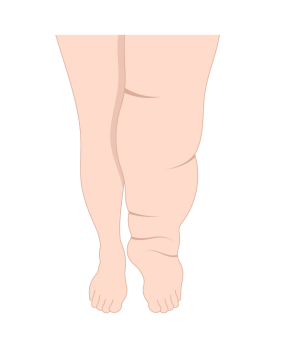
● A build up of lymphatic fluid in the body due to inadequate removal
● This commonly affects upper extremities and/or lower extremities
● Common causes: Inflammation, disease, surgery, radiotherapy, malignant tumors, trauma,
infection, or obesity
● There are two types of lymphedema: Primary and Secondary
○ Primary: Genetic in nature; born with it
■ Malformation of the lymphatic system due to genetic mutation
● Hyperplasia: Larger than normal or a increase number of normal
lymphatic vessels
● Hypoplasia: Underdeveloped or a decrease in number of normal
lymphatic vessels
● Aplasia: Parts of the lymphatic vessels are missing
○ Secondary: Acquired
■ Results from insult, injury, or obstruction to the lymphatic system
● Examples: Surgical removal of lymph nodes, local radiation
treatment, medical therapy, or related treatment of malignancy
Clinical Presentation/Symptoms
● Swelling of part or entire leg/arm, including fingers and toes
● Feeling of heaviness or tightness
● Restricted range of motion
● Recurring infections
● Hardening or thickening of the skin
All symptoms can range from mild to severe
How Can We Help At ProTailored?
- Manual Lymph Drainage: Designed to improve lymphatic flow by guiding the fluid
gently around blockages and into proximal ducts for removal - Graded Compression Bandages
- Exercises
- Skin Care
- Girth Measurements Of The Involved Limb
For more on Lymphedema or believe you have this condition and would like to try
conservative treatment, reach out to ProTailored Physical Therapy or call us at (260)
739-0300.