
The Nutritional Bounty of Red Meat: Debunking the Myths
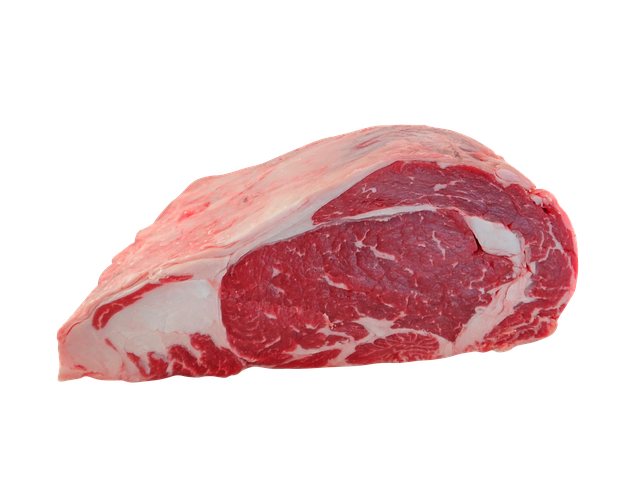
Red meat, often a source of debate in nutritional circles, boasts an array of benefits that extend beyond just taste. Contrary to popular belief, cholesterol and saturated fat found in red meat play essential roles in the body and may not be the dietary villains they are often made out to be. In this article, we’ll explore the nutritional richness of red meat and challenge some misconceptions surrounding cholesterol and saturated fat.
The Nutrient Powerhouse
Red meat is a nutritional powerhouse, providing essential nutrients that contribute to overall health. It is an excellent source of complete protein, containing all essential amino acids necessary for various bodily functions, including muscle repair and immune system support. Additionally, red meat is rich in vital nutrients such as iron, zinc, and B-vitamins, which play key roles in energy metabolism, cognitive function, and immune health.
Dispelling the Saturated Fat Myth
Saturated fat, once demonized for its alleged link to heart disease, is now undergoing a reassessment. Recent research challenges the notion that saturated fat is universally harmful. Red meat contains saturated fat, but emerging studies suggest that not all saturated fats are created equal. Certain types, like those found in red meat, may have neutral or even positive effects on cardiovascular health.
Cholesterol: A Misunderstood Molecule
Cholesterol, a lipid crucial for building cell membranes and producing hormones, is another component of red meat that has faced unwarranted criticism. Contrary to common belief, dietary cholesterol has a limited impact on blood cholesterol levels for the majority of people. The liver regulates cholesterol production based on the body’s needs, and dietary intake has only a modest influence at best.
LDL Cholesterol and Cardiovascular Disease
The relationship between low-density lipoprotein (LDL) cholesterol and cardiovascular disease (CVD) has been a subject of intense scrutiny. While LDL cholesterol has been traditionally labeled as the “bad” cholesterol, recent research challenges the simplistic association between high LDL levels and heart attacks. Some studies suggest that factors like LDL particle size and overall inflammation may be more accurate indicators of cardiovascular risk than LDL levels alone.
According to a meta-analysis published in the American Journal of Clinical Nutrition, there isn’t a clear correlation between dietary saturated fat intake and the risk of heart disease. Moreover, a comprehensive review in the Journal of the American College of Cardiology emphasized that focusing solely on LDL cholesterol levels may oversimplify the complex factors contributing to cardiovascular health.
Red meat, with its abundance of essential nutrients, deserves a place in a balanced and varied diet. The negative stigma surrounding cholesterol and saturated fat in red meat is being challenged by a growing body of research. As we continue to unravel the intricacies of nutrition, it becomes clear that moderation and a holistic approach to dietary choices are key. Embracing red meat as part of a well-rounded diet can contribute to overall health and well-being.
If you are interested in some videos on the topic, here are the links to a great series from Dr. Paul Mason that can clear up any further misconceptions:
Part 1 The truth about high cholesterol
Part 2 The shady truth about statins
Part 3 Hard science on the real cause of heart disease – why you should avoid seed oils