
Cervical Facet Syndrome

Anatomy and Physiology of the Facet Joint
● Each spinal segment has two facet joints, also called zygapophyseal joints. These joints
allow for flexion and extension of the head while limiting rotation and translation of one
facet on another. They also prevent forward and backward slippage of the joint. Cervical
facet syndrome is more prevalent in the elderly population due to changes within the joint
during the aging process.
What is it?
● An articulating disorder between the facet joints and their nerve innervation in the neck
that can cause localized and radiating pain.

Most Common Causes
- Osteoarthritis: Degeneration of the joint due to normal wear and tear and abnormal
body mechanics - Trauma/Injury
- Inflammatory Disorders (Example: Rheumatoid Arthritis or Ankylosing Spondylitis)
The 3 common causes listed above can lead to cartilage breakdown and inflammation at the
facet joint, causing pain. The ligaments surrounding the facet joint may become thickened and
new bone formation occurs (“bone spurs”).
Clinical Presentation/Symptoms
● Neck pain on the same side of the facet syndrome
● Tenderness to touch
● Limitations with extension and rotation of the neck
● Radiating pain into the shoulders and upper back
● Headaches, typically in the back of the head
● Decreased range of motion and flexibility of the neck
How Can We Help At ProTailored?
- Manual therapy techniques (Scrapping, Cupping, Active Releases, Muscle Energy
Techniques, Manual Traction, etc..) - Dry needling
- Stretches to surrounding musculature
- Joint mobilizations
- Strengthening exercises to surrounding musculature
- Education on how proper posture and positioning of the neck can contribute to their
symptoms - Education on correct body mechanics during functional tasks (lifting, yardwork, carrying,
squatting, cleaning) - Education on proper sleeping positions
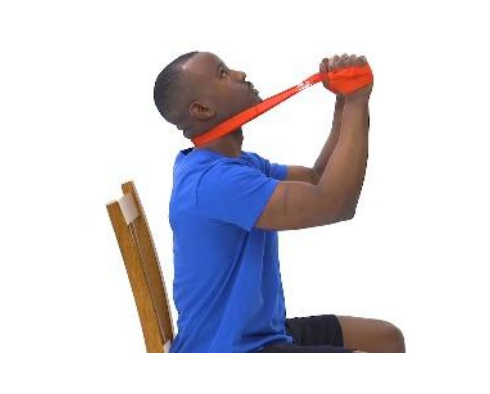
EXERCISE


For more on Cervical Facet relief or believe you have this disorder and would like to try
conservative treatment, reach out to ProTailored Physical Therapy or call us at (260)
739-0300.