
Barefoot Bliss: The Benefits of Minimalist Shoes
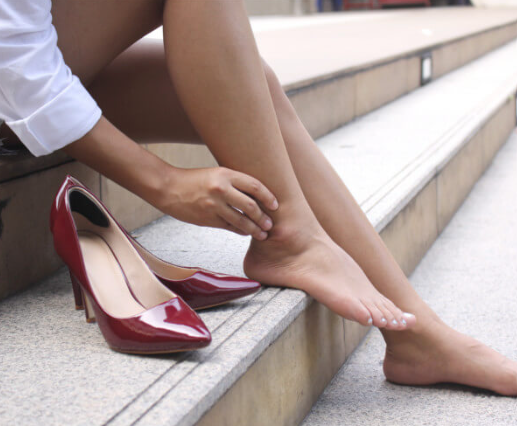
In recent years, a growing number of individuals have been trading in their traditional, heavily cushioned footwear for a more natural alternative – minimalist shoes. This trend is not merely a fashion statement but a shift towards prioritizing foot health and biomechanical efficiency. Let’s delve into the key features that make minimalist shoes stand out and explore the associated benefits.
Wide Toe Boxes
One distinguishing feature of minimalist shoes is their wide toe boxes, allowing the toes to splay and move more freely. Conventional shoes often cramp the toes, potentially leading to discomfort and various foot problems, including bunions/bunionettes. The wide toe box in minimalist shoes mimics the natural shape of the foot, promoting better balance and stability. Additionally, it helps prevent issues like bunions and ingrown toenails by reducing the pressure on the toes.
Zero Drop
Traditional shoes typically have a raised heel, creating a height difference between the heel and the forefoot. This amount varies shoe to shoe, but if you take a closer look at your footwear, you’ll be sure to see the difference in height between the heel and toe. In contrast, minimalist shoes boast a zero-drop design, meaning the sole maintains the same thickness from heel to toe. This design aligns the foot more naturally with the ground, encouraging better gait mechanics when walking or running. The zero-drop feature helps distribute impact forces more evenly throughout the foot, potentially reducing the risk of injuries and promoting a more efficient gait.
Less Support, Not More
While the idea of less support might initially raise eyebrows, minimalist shoes are designed to let your feet do what they do best – move and adapt. Excessive arch support and cushioning can lead to weakened foot muscles and decreased sensory input. Minimalist shoes provide just enough protection to shield your feet from rough terrain while allowing them to build strength and flexibility naturally. This can contribute to improved balance, proprioception, and overall foot function. People will often be concerned that they have flat feet or a high arch and “need” this extra support. Fortunately, you can transition to minimalist shoes with any type of arch. Some people need a longer transition period than others, but a vast majority of people would benefit from this transition in the long term. If you are curious about what it looks like for someone to transition to minimalist footwear, please see this article from a minimalist shoe enthusiast
Strengthening the Feet
Wearing minimalist shoes is akin to giving your feet a workout. The wide toe boxes, zero-drop design, and reduced support force the muscles in your feet to engage more actively. Over time, this can lead to stronger arches, more stable ankles, and increased mobility. It’s like a fitness regimen for your feet, promoting resilience and preventing common issues associated with weak foot muscles. Similarly, spending more and more time without shoes on will also strengthen your feet. It is important to do this to your current level of tolerance, not pushing yourself into pain. Even if it is only 30 seconds more of barefoot time than you usually get, this can be a good way for you to get more used to being without support.
Improved Posture and Biomechanics
By promoting a more natural foot position and encouraging better gait, minimalist shoes can positively influence your overall posture and biomechanics. This shift away from skewed or altered gait from the raised heel in traditional footwear can potentially alleviate strain on the knees and lower back, offering relief to those with chronic pain or discomfort.
The Best Way to Transition
Transitioning can be scary at first, especially if you are someone who is used to a lot of support or custom orthotics. The best way to transition is to work on strengthening the foot and making it more flexible/pliable. This can be done with various exercises that are easily found on the internet with a simple Google search of “exercises to transition to minimalist shoes”. If you have trouble, contact your physical therapist and set up an appointment. Below will be linked 2 great brands of shoes to aid in your transition to more foot-appropriate shoes. The first is Altra. They offer a wide, foot-shaped toe box and zero drop while still offering varying levels of support. This is a great first step for those who are nervous about making a change. The second is Xero Shoes. These are a true barefoot-style shoe that has all the benefits of Altra, but with no support. Getting either brand will involve a transition process in which you should spend gradually increasing amounts of time in these shoes compared to your conventional pair. This should be progressed to your tolerance level and while you may have some slight soreness, excessive pain is a sign that you have progressed too quickly and may need to reduce your time in the new shoes. As always, any questions should be directed to your physical therapist.
In conclusion, the benefits of barefoot/minimalist shoes extend beyond a trendy footwear choice. Wide toe boxes, zero-drop designs, and reduced support contribute to healthier, stronger feet. Embracing minimalist footwear is not just a lifestyle choice; it’s a step towards reconnecting with the natural biomechanics of our feet, fostering strength, and enhancing overall well-being. So, kick off those constricting shoes and let your feet experience the freedom and benefits of going minimalist.