
Temporomandibular Joint Disorder (TMD)

What Is It?
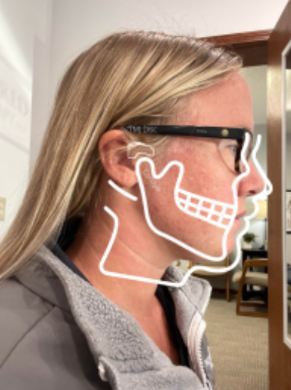
TMJ is a joint along the side of your head that connects your lower jaw and skull together. This joint
along with various surrounding musculature enables the joint to move side to side, up and down, forward
and backwards. When the joint is aligned properly, it allows for smooth movement patterns to occur,
which enables you to speak, talk, and chew. When these structures are not aligned/working properly
together (muscle, ligaments, disc, jaw bone, and temporal bone), several problems can occur, which are
listed below.
Three Main Disorders
Muscular: Discomfort/pain can come from trigger points in the muscles surrounding the
temporomandibular joint (masseter, temporalis, lateral and medial pterygoid)
Disc: The disc between the two bones that make up your TMJ can be displaced forward or backward, not
allowing the joint to move like it should during opening and closing (ex: chewing, speaking, talking)
Arthritic: degeneration of the joint due to constant, repetitive motion causing the cartilage between the
joints to wear away
(You can have one or more of these disorders listed above at the same time)
Symptoms
Painful joint sounds (grinding, clicking, popping, clunk, etc..)
Restricted or deviating range of motion
Headaches
Earache pain
Pain referring into temple, cheek, or jaw
Neck pain
Ringing in the ears
Muscle spasms
How Can Physical Therapy Help?
Lessen stress on temporomandibular joint
Ease pain
Regain normal jaw function
Postural education
Reduce joint sounds (crepitus, clicking, popping, grinding, etc..)
Education on limiting parafunctional activities (chewing gun, grinding teeth, leaning on chin, eating hard
candies, etc…)
6×6 Exercises to Help With TMD At Home
- Controlled Breathing: Position the tip of your tongue, just behind your teeth, on the roof of your mouth
and take 6 deep breaths - Controlled TMJ Rotations on Opening: Keep your tongue on the roof of your mouth while opening and
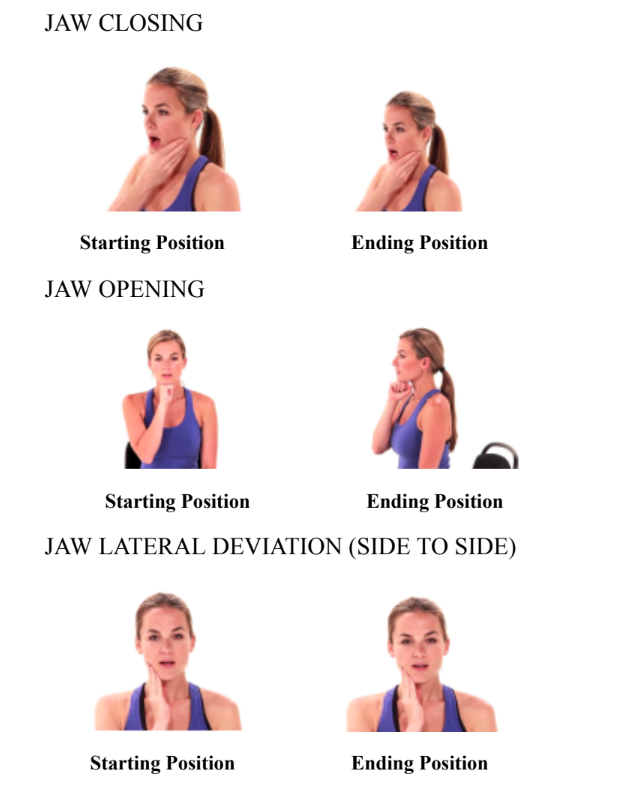
closing mouth 6 times - Rhythmic Stabilization: Apply light resistance to jaw opening, closing and lateral deviation (side to
side) with jaw in resting position (6 times each direction)
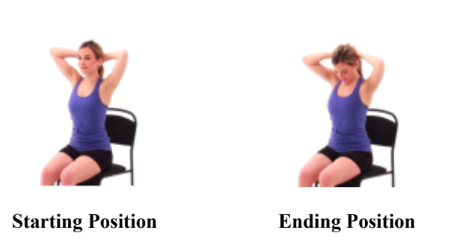
- Stabilized Head Flexion: Place hands behind neck and nod your head, as if you are indicating a “yes.”
Perform 6 times
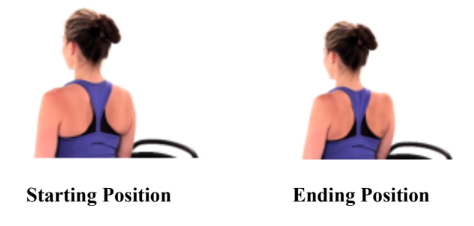
5. Shoulder Girdle Retraction: Perform scapular retraction with shoulders depressed 6 times
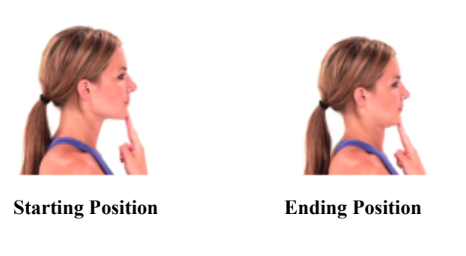
6. Lower Cervical Retraction: Perform chin tucks 6 times
For more on Temporomandibular relief or believe you have this disorder and would like to try
conservative treatment, reach out to ProTailored Physical Therapy or call us at (260) 900-2437.