
The Hidden Roadblock to Healing: How Inadequate Protein Slows Recovery
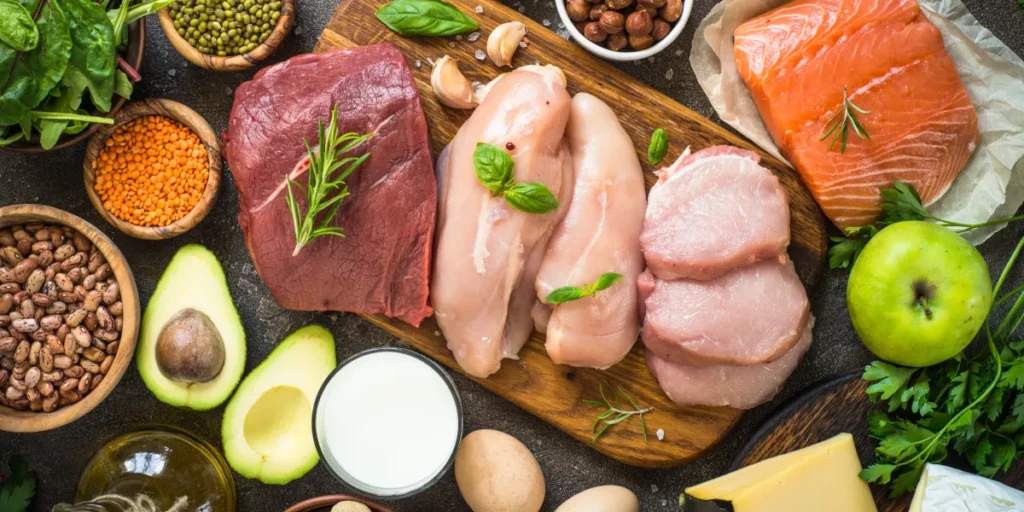
When it comes to recovering from injury, surgery, or even a tough workout, most people focus on rest, stretches, modalities or physical therapy exercises. But one crucial factor often flies under the radar, protein intake. At our physical therapy clinic, we frequently see patients working hard in their rehab sessions, only to struggle with prolonged healing. One of the most common underlying issues? Not enough protein.
Why Protein Matters for Healing
Protein is the building block of the body. It’s essential for:
- Tissue repair
- Muscle rebuilding
- Immune function
- Hormone and enzyme production
After injury or surgery, your body enters a state of repair. It needs a higher than usual amount of protein to rebuild damaged tissues and support muscle recovery. If you’re not getting enough, the healing process slows down significantly.
Signs You Might Not Be Getting Enough Protein
- Slow wound healing
- Persistent fatigue
- Muscle weakness or muscle loss
- Frequent illness or infection
- Swelling that doesn’t go down
- Lack of progress in physical therapy
These symptoms are often mistaken for “normal” parts of recovery, but they could be signs that your body isn’t getting the fuel it needs to heal.
Who’s Most at Risk?
Anyone can fall short on protein, but the following groups are especially vulnerable:
- Adults ages 50 and older (who naturally lose muscle mass more quickly)
- Post-surgical patients
- Athletes with high activity levels
- Vegans or vegetarians not tracking protein intake closely
- Individuals recovering from fractures or ligament/tendon injuries
How Much Protein Do You Need?
General guidelines suggest:
- 0.8 grams per kilogram of body weight for sedentary adults
- 1.2–2.0 grams/kg for people in recovery, rehabilitation, or strength-building phases
For example, a 150-pound (68 kg) individual may need anywhere from 80 to 135 grams of protein daily during recovery.
The average American consumes much less.
Easy Ways to Boost Protein Intake
- Add a protein source to every meal (Lean meats, eggs, milk, cottage cheese, Greek yogurt, tofu, beans)
- Incorporate snacks like string cheese, boiled eggs, protein bars, or shakes
- Use protein supplements if your appetite is low or you’re on-the-go
- Don’t skip meals! Your body needs consistent fuel
The Bottom Line
You can do all the right things in your physical therapy sessions, but if your body isn’t getting the nutrients it needs, especially protein, it is like trying to build a house without sturdy bricks. Healing is a full-body process, and nutrition plays an important role.
If you’re recovering from an injury or surgery and feel stuck in your progress, talk to your physical therapist at ProTailored Physical Therapy or a registered dietitian. A few changes to your plate could make a huge difference in how you feel AND how fast you heal. If you would like further information, call our phone number at 260-739-0300.