
Costochondritis
What is Costochondritis?
Costochondritis is inflammation of the cartilage where the ribs attach to the breastbone or sternum. Costochondritis has often been described as chest pain that can worsen with certain movements, taking deep breaths, tenderness with palpation to the area where your rib meets your sternum, or pain and stiffness throughout your midback. Patients with costochondritis may also experience pain with slouching. The pain may be sharp or aching and is often localized to the front of the chest and worsened with pressing on the affected rib cartilage.. Although the exact cause of costochondritis is not known, it may be the result of repetitive trauma or chest injuries, overuse of the chest muscles, infections, or poor posture. It can affect individuals of all ages but is more common in young adults and women.
What to Rule Out
It is IMPORTANT to note that all other causes of chest pain should be evaluated by a medical professional and considered before establishing a costochondritis diagnosis. This includes, but is not limited to cardiac or respiratory diseases and trauma such as a rib fracture. If you experience radiating pain, dizziness, shortness of breath, chest pain that worsens with exertion, or a productive cough, this may indicate more serious conditions that may require urgent evaluation and treatment by a medical team. A thorough clinical examination, including imaging tests or lab work if necessary, helps to rule out these conditions. If all other causes of chest pain have been explored and are negative for any significant findings, consider following up with a physical therapist to discuss how physical therapy may help you.
How Can Physical Therapy Help?
Physical therapy can play a significant role in the recovery of costochondritis by addressing the musculoskeletal factors that are contributing to the condition. Physical therapy will focus on the following:
- Manual therapy: joint mobilization to the ribs and and mid back to improve mobility and decrease pain
- Stretching & Strengthening:Weak or tight chest and back muscles can contribute to the condition. A customized program of strengthening and stretching exercises can improve flexibility and muscle balance, reducing the load on the rib cartilage.
- Postural Education and Correction:Poor posture, such as slouching, can exacerbate costochondritis symptoms. A physical therapist will work with patients on strategies to improve posture and alignment, reducing strain on the chest and ribcage.
- Breathing Exercises: Instruction on diaphragmatic breathing techniques, helping to reduce stress on the chest and promote healing.
- Pain Management: Techniques like ice or heat and TENS to decrease inflammation in addition to patient education on activity modifications and self management strategies
Give These Exercises a Try!
Reminder: Exercises should be started slowly and gradually progressed as tolerated to avoid further irritation or aggravation of symptoms
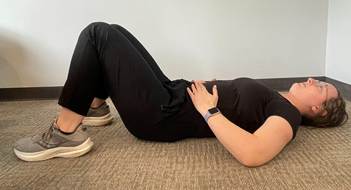
- Diapragmatic Breathing: find a comfortable position (sitting or laying down) and close your eyes to help you relax and focus on your breathing. Place hands near your abdomen and inhale through your nose, focusing on the hand on your abdomen rise as you inhale. Exhale through your mouth allowing the abdomen to fall back toward your spine. Inhale for 4 seconds and exhale for 6 seconds. Perform 10 repetitions
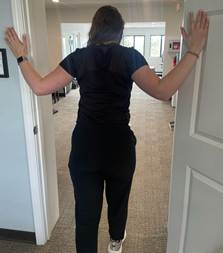
- Doorway Stretch:stand in a doorway with your feet shoulder-width apart and our forearms on the doorframe between 60-90 degrees. Slowly step one foot forward, gently leaning into the doorway. Hold for 30 seconds and repeat 3 times.
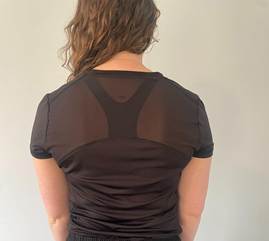
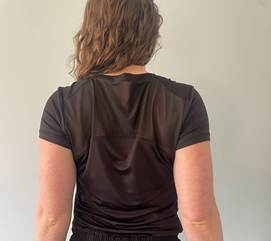
- Scapular Retractions:Perform in sitting or standing, squeeze your shoulder blades together, holding for 2 seconds. Repeat for 3 sets of 10 repetitions.
Conclusion:
If you’re experiencing chest pain that could be related to costochondritis, it’s essential to consult a healthcare provider to rule out other conditions. After a proper diagnosis, physical therapy can be an effective treatment option to alleviate symptoms and prevent future flare-ups. Call one of our Fort Wayne Physical Therapy Clinics at ProTailored Physical Therapy today at (260) 739-0300 to schedule your appointment to be seen by one of our great specialists!