
How OT Can Help with Cognition
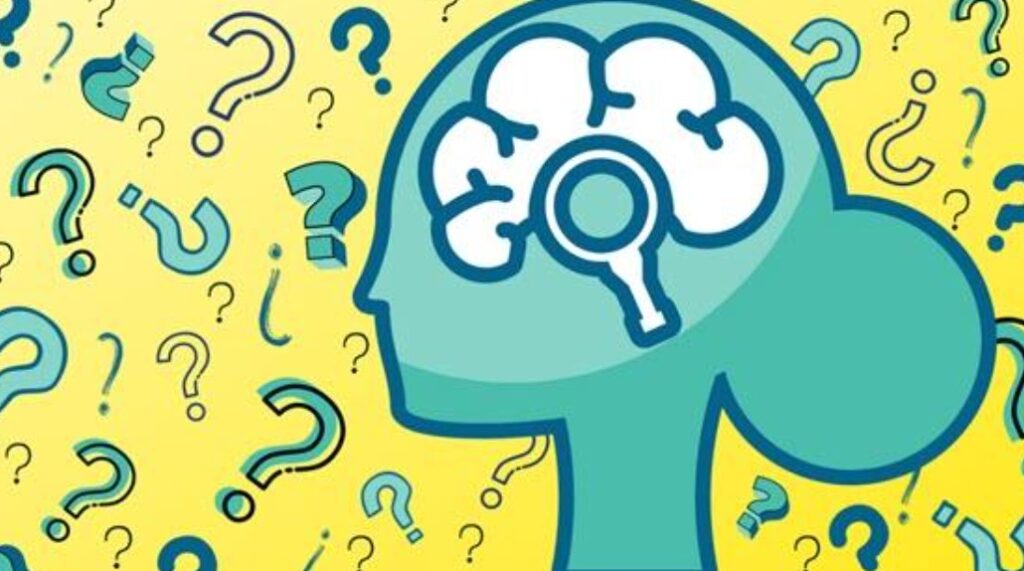
Have you or a loved one experienced a change in your cognitive state following a health emergency? Perhaps you know someone who has had difficulty with memory following a stroke, or you may know somebody that has difficulty with focus and attention following a traumatic brain injury (TBI). When accidents such as stroke, TBI, or cardiovascular accidents occur, not only can loss of physical function become prevalent, but loss in cognitive ability can take place along with it. While you or someone you know may be being seen for the physical conditions by physical or occupational therapy, interventions for cognitive impairments can also take place to coincide with your physical rehabilitation!
What Cognitive Impairments Are Common?
Cognitive deficits ca n look different from person to person depending on what type of accident occurred and what part of the brain was affected. Common cognitive skills that can be affected by injuries include:
- Memory: Memory is your ability to take in information from the outside world, process it, store it, and recall that information later. Memory can take on different forms, such as short-term memory which lasts around 15 to 30 seconds after information is processed. Long-term memory involves all of the information we have stored over the years, such as names, locations, and dates. Lastly, working memory involves the ability to recall information in an instant to apply to a current situation, such as remembering numbers in our head when doing a math problem. Any ne of these types of memory can be affected, and sometimes multiple types at the same time.
- Focus/attention/concentration: When these abilities are gone, it becomes difficult for a person to stay on task. Sometimes they may bounce from task to task without spending much time on each, or they may become frustrated with the task and want to move on to something new right away.
- Critical thinking and problem-solving: Problem-solving involves the ability to identify obstacles and generate solutions to overcome those obstacles. Problem-solving takes place in our every day to some degree, whether it is something as small as figuring out what to wear for the day, or something bigger such as finding an alternate route if a road is blocked on your drive. Impaired problem-solving can drastically alter one’s ability to go through their day.
- Executive function- Executive function is a term used to describe a person’s ability to planning ahead, organizing information, and setting goals. We rely on executive function to prepare us for future situations. Sometimes, executive functioning can be used an umbrella term that encompasses other cognitive skills. Because of that, we can see how one cognitive impairment can affect another.
How Can Occupational Therapy Help?
The role of an occupational therapist is to work with a patient to get them back to functioning at their highest ability, so that they can participate in the things that are important to them. Sometimes the things that are important include leisure activities, such as playing a sport or being outside. It also includes essential tasks in everyday life, which we call activities of daily living (ADL’s). ADL’s include eating, bathing, dressing, among other daily tasks. In order to achieve all of these things, cognitive ability is required in some capacity. Therefore, part of the process of rehabilitation towards meaningful activities involves the therapist working on cognitive function with the patient!
Occupational therapists are trained to provide creative ways for a patient to achieve their goals. When working on cognition, occupational therapists always want their therapy sessions to relate to their patient’s daily routine, so many times you will see simulated real life tasks. Below are a few functional activities that an OT may work on with a patient to improve cognitive function:
- Creating a grocery list
- Creating a daily/weekly schedule of chores to do
- Identify what route you would take to go to various stores
- Practice managing money and writing checks
- Completing a scavenger hunt.
All of these tasks challenge the various cognitive skills that have been discussed already, such as planning, organizing, problem-solving, and attention. Below is a case scenario that identifies how cognitive rehabilitation can be seamlessly combined with physical rehabilitation in a clinic:
Imagine a person has had a stroke that has left them with weakness and decreased range of motion throughout their left side. They have also noticed a decline in their ability to remember things and solve problems. After discussing this with their occupational therapist, the OT has come up with an activity that simulates chores. The therapist has given the patient a three- step task: Place laundry in the dryer, prepare a sandwich, then return to the laundry to fold it and put it away. Through this simple task, the therapist has challenged the patient in a multitude of ways. Physically, the patient will be building up muscular endurance throughout their arms and legs as they carry laundry and walk back and forth around the house. They are also working on increasing range of motion as the patient is reaching to various heights throughout the tasks. Cognitively, the patient’s memory is being challenged as they have to remember what the three steps are that they were tasked with. Within the second task, the patient has to problem-solve and plan how they are going to prepare the sandwich. Lastly, they are being challenged to maintain focus throughout the activity in order to finish it efficiently.
As you can see, cognition is at play in everything we do, and occupational therapists have a special ability to create activities that improve not only physical activity, but cognitive ability as well in the most functional way possible.
If you or someone you know may benefit from improvement in their cognitive functioning on top of their physical deficits, contact us at ProTailored Physical Therapy! We will get you working with a well-trained therapist who has all the tools to create a specifically tailored plan to improve your well-being in multiple areas!