


Understanding Herniated Discs (And What To Do About Them)
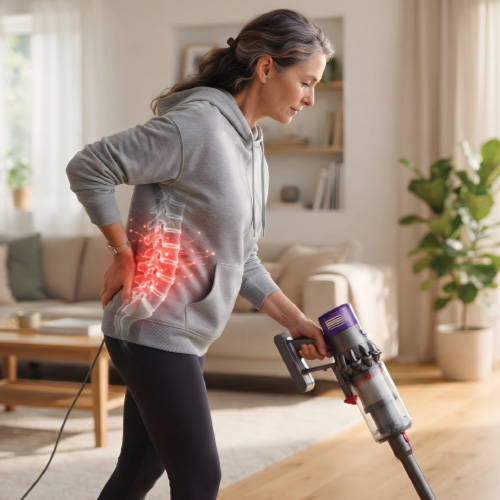
You start experiencing a sharp, burning pain in your lower back that worsens if you stay in one position too long. You’ve also noticed pain that shoots down your leg and numbness in your foot. You have no idea what’s going on, and the discomfort is starting to negatively affect your quality of life.
Sound familiar?
All those symptoms point to a lumbar herniated disc, a condition that affects the cushiony intervertebral discs located in your spine. Herniated discs are more common than you might think–in fact, you may have developed one without even realizing it, as they don’t always cause symptoms. But when they do cause symptoms, they can be excruciating.
Fortunately, the team at ProTailored Physical Therapy offers several solutions to help you resolve and prevent herniated discs. Today, we wanted to explore the basics of herniated discs, including their causes, symptoms, and effective treatment techniques. Keep reading to learn more!
What Exactly is a Herniated Disc?
Your spine’s intervertebral discs play an important role in keeping the vertebrae from rubbing against each other. Sometimes, though, those discs can bulge outward or rupture: what’s called a herniated disc. If the damaged disc presses against a nearby nerve root, it causes symptoms.
That’s why many people develop a herniated disc and do not know it–because their herniated disc doesn’t affect any nearby nerve roots. But when a herniated disc does affect a nerve root, here’s what to expect:
- Burning pain
- Pain that radiates into the extremities
- Numbness or tingling that radiates into the extremities
- Weakness
The location of your symptoms can give you a general idea of the location of your herniated disc. While any disc in the spine can herniate, herniated discs typically occur in the neck (cervical spine) or lower back (lumbar spine).
- Cervical herniated discs will cause symptoms through your shoulder, arm, and hand.
- Lumbar herniated discs will cause symptoms through your lower back, buttocks, thigh, lower leg, and foot.
What Causes a Herniated Disc?
There are two main causes for herniated discs, and they may develop due to a blend of factors:
Disc Degeneration
As we get older, our intervertebral discs naturally start to dry out and become less flexible, making them more likely to tear or rupture, even with relatively minor bends or twists.
Injury
When a younger person gets a herniated disc, it’s usually the result of an injury related to improper lifting techniques, like twisting as you lift or using your back muscles instead of your legs.
How Can Physical Therapy Help Resolve a Herniated Disc?
The good news is that herniated discs rarely require surgery or other invasive treatment options. Often, symptoms fade on their own. However, physical therapy can facilitate that process and–more importantly–help prevent future herniated discs!
Our team will perform a comprehensive evaluation in which we review your health history and current symptoms and conduct a detailed physical exam to look for any muscular weaknesses or other issues that might have contributed to your condition. Next, we’ll create a customized treatment program blending various treatment options:
Manual Therapy
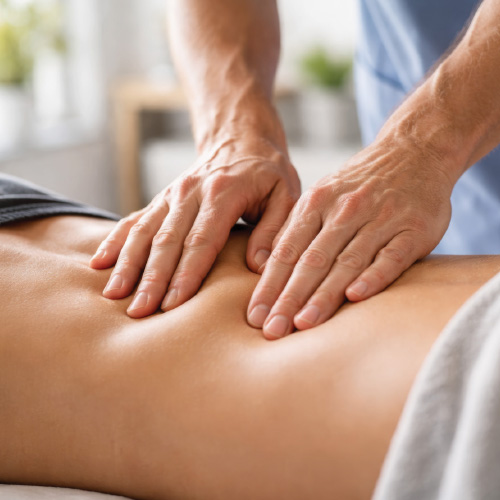
These hands-on techniques, which include spine mobilizations, can help reduce pain and improve spinal function.
Therapeutic Exercises
We’ll guide you through a customized, targeted exercise program. We’ll start with mobility exercises to regain your range of motion, helping you move without discomfort. Then, we’ll work with you to strengthen your core and back muscles to support your spine and prevent future injury.
Posture and Body Mechanics
We’ll show you how proper posture and movement patterns can significantly reduce pressure on the spine and prevent further disc issues.
Suspect You’ve Got a Herniated Disc? We’re Here to Help!
If you’re struggling with the symptoms of a herniated disc–whether in your neck or lower back–the ProTailored Physical Therapy team can help you find long-term relief! Schedule an appointment with us today to get started.
Call Today for an Appointment
Physical therapy can help speed up your recovery by giving you the tools to succeed. At ProTailored Physical Therapy, our therapists want to empower you to prepare for the fall gardening season with a program tailored to your individual needs!
Call today to set up an appointment with one of our therapists!
Staff Spotlight:
Brenden Zeisloft, PT, DPT, PMC, PDNC
Orthopedic Physical Therapist
What emoji do you use the most?
The crying laughing face 😂
If you came with a warning label, what would it say?
Watches way too many sporting events!!
What movie title best describes your life?
Field of Dreams
What did you want to be when you grew up?
I wanted to be a police officer, firefighter, football player, or baseball player – just the typical little boy things!

Warm up with a bowl of comforting, flavorful Simple Tasty Chili that’s easy to make and perfect for a cozy meal. It’s a delicious, satisfying recipe the whole family can enjoy!
Enjoy This Featured Recipe!
Simple Tasty Chili
- 1 1/2 pounds lean ground beef
- 1 onion, chopped
- 1 small green bell pepper, chopped
- 2 garlic cloves, minced
- 2 (16-ounce) cans red kidney beans, rinsed and drained
- 2 (14-1/2-ounce) cans diced tomatoes
- 2 to 3 tablespoons chili powder
- 1 teaspoon salt
- 1 teaspoon pepper
- 1 teaspoon ground cumin
Step 1
Cook first 4 ingredients in a large skillet over medium-high heat, stirring until beef crumbles and is no longer pink; drain. Place mixture in 5-quart slow cooker; stir in beans and remaining ingredients. Cook at HIGH 3 to 4 hours or at LOW 5 to 6 hours.
Step 2
Notes: If you want to thicken this saucy chili, stir in finely crushed saltine crackers until the desired thickness is achieved.
Thank You For Subscribing to ProTailored Physical Therapy

Share Your Success Story
Has ProTailored Physical Therapy helped you live a better life? Let others know how much we can help them too! Click the button to leave us a Google review — your feedback helps others find the care they need!
Exercise of the Month
ERGONOMIC STRETCH
Sitting for long periods can leave your muscles feeling stiff and your joints tight, leading to aches and reduced mobility. Taking just a minute to do this simple ergonomic stretch at your desk can help relieve tension, improve circulation, and leave you feeling refreshed and ready to tackle the rest of your day.

Kids Heading Back to School? Here’s How to Help Them Avoid Back Pain
Between laptops, tablets, and old-fashioned textbooks, heavy backpacks are a reality for anyone starting school this fall (including the teachers!). Improper backpack usage can contribute to back pain, particularly in the upper back–but a few simple tips will help keep your kids pain-free this school year.
- Find a backpack that fits. Most kids choose backpacks for their coolness factor, not their size, but it’s important your child’s backpack is the right fit for them. A properly fitting (and properly filled) backpack should rest on the hips, not the shoulders.
- Don’t go too heavy. A backpack shouldn’t exceed 10% of your child’s body weight. Bust out the bathroom scale to ensure your child isn’t overloading their pack!
- Encourage good posture. Help your child find their ideal posture by asking them to lift their chest/sternum up toward the sky, which helps their spine settle into proper alignment.
Want more back-to-school backpack tips? Call ProTailored Physical Therapy to schedule a personalized assessment to help identify any areas of weakness or impairment that might be contributing to backpack-related discomfort–and strategies for resolving them!

Patient Testimonials
Real Results • Real Care
Refer a Friend

Our purpose at ProTailored Physical Therapy is to leave a greater impact on the community around us. In order to achieve our goal we want to change as many lives as possible as we become a beacon of positivity in our community.
Meet Our Team

Dr. Janet Allen, PT, DPT, PMC
Orthopedic Physical Therapist

Dr. Colleen Quigley, PT, DPT, COMT, PMC, PDNC
Orthopedic Physical Therapist

Dr. Jonathan Evans, PT, DPT, CMTPT, VRC, PDNC
Chief Executive Officer, Orthopedic & Vestibular Physical Therapist

Connie Elder
Billing Specialist

Annette Hamman
Patient Care Coordinator

Dr. Kaitlyn Leugers, PT, DPT, PDNC, PMC
Clinic Director & Orthopedic Physical Therapist Email Kaitlyn

Dr. Amanda Robinett, PT, DPT, PMC, LSVT BIG, PDNC
Orthopedic Physical Therapist

Dr. Chelsea Jones, PT, DPT, PDNC, PMC
Orthopedic Physical Therapist

Dr. Rachel Stillaway PT, DPT, PMC, PDNC
Physical Therapist,
Women’s Pelvic Floor Physical Therapist
Clinic Director

Rachael Rothgeb, PT, DPT, PMC, PDNC
Orthopedic Physical Therapist
Clinic Director

Dr. Kirsten Atchison, PT, DPT, PMC, Cert. DN
Clinic Director,
Orthopedic Physical Therapist

Dr. Matt Paul, PT, DPT, PDNC, PMC
Orthopedic Physical Therapist

Dr. Katlin Couchman, OTR/L, OTD, CEES, PDNC, PMC
Regional Director
Occupational Therapist

Alaina Ganser
Patient Care Coordinator

Adelaide, Everett, and Alice Evans
Child Entertainment Officers (CEO Jr.s)

Lindsay Hubert
Office Manager

Sarah Meyer
Patient Care Coordinator

Dr. Kelsey Neuman PT, DPT, PDNC, PMC
Orthopedic Physical Therapist

Dr. Landon Pence PT, DPT, PMC, PDNC
Orthopedic Physical Therapist
Clinic Director

Dr. Jared Kazmierczak, PT, DPT, PMC, PDNC
Orthopedic Physical Therapist

Dr. Brenden Zeisloft, PT, DPT, PMC, PDNC
Orthopedic Physical Therapist

Dr. Josephine Rammel, OT, PMC, PDNC
Occupational Therapist